
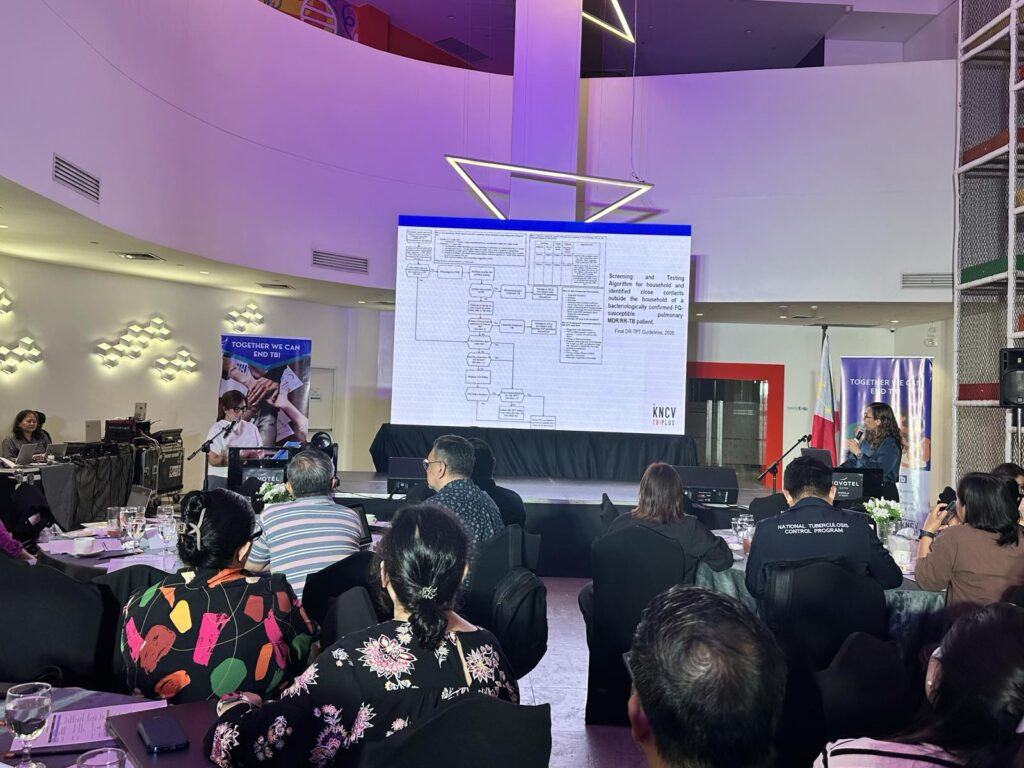
KNCV Tuberculosis Foundation led and Unitaid-funded ASCENT DR-TB project held its culminating event through a Project Implementation Review (PIR) on June 16-18, 2026 marking one year since the project’s activities launched in the country.
A major achievement of the project was the translation of two WHO-recommended strategies into national guidelines:
- Drug-resistant TB Preventive Treatment (DR-TPT) using 6 months of levofloxacin for MDR/RR-TB household contacts, and
- Stool-based Low-Complexity Nucleic Acid Amplification Test (LC-NAAT) for TB diagnosis among children and young adolescents under 15 years of age.
Throughout its implementation, ASCENT DR-TB worked in close collaboration with the Department of Health – Disease Prevention and Control Bureau (DOH-DPCB) and the Research Institute for Tropical Medicine-National Tuberculosis Reference Laboratory (RITM-NTRL).
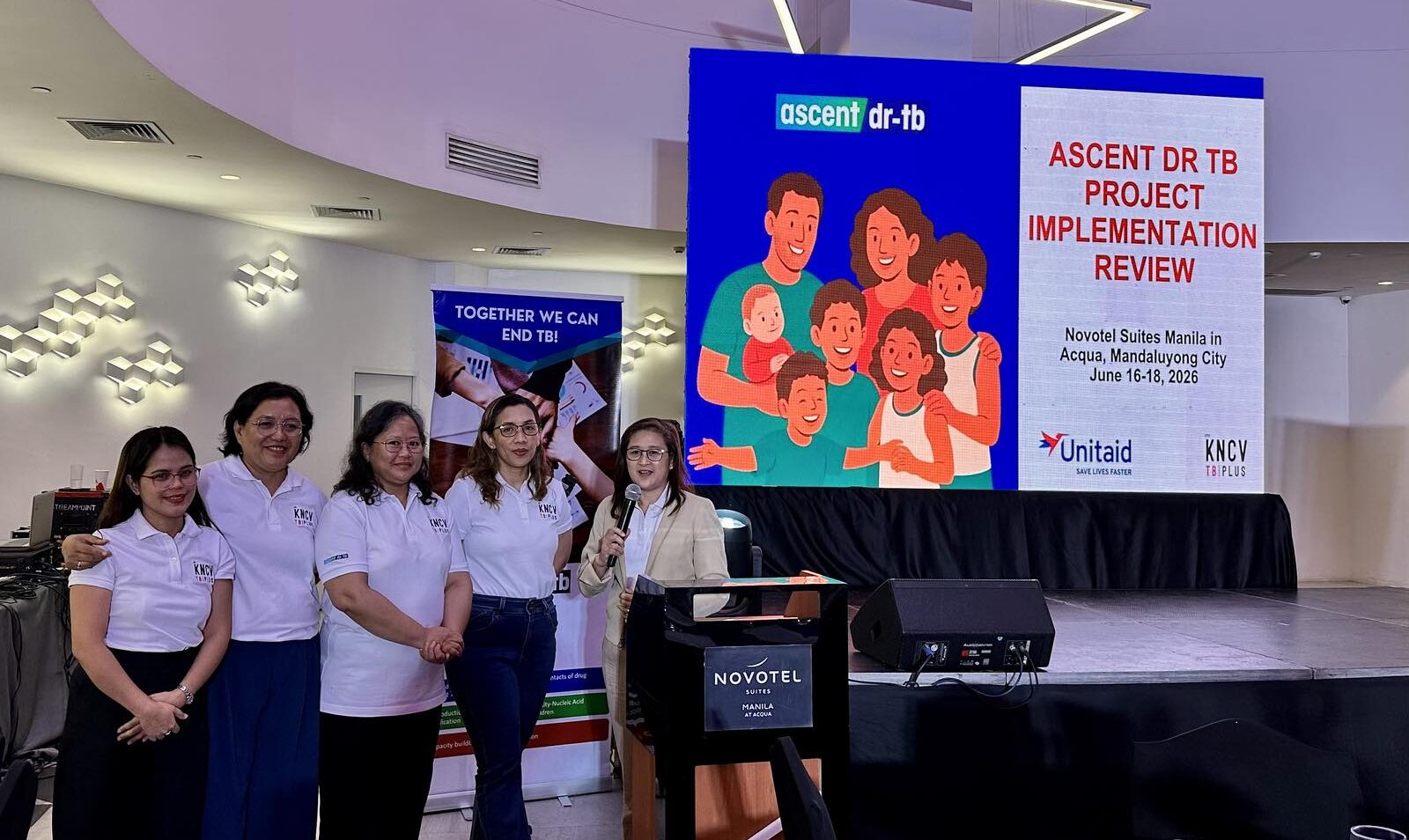
About the event
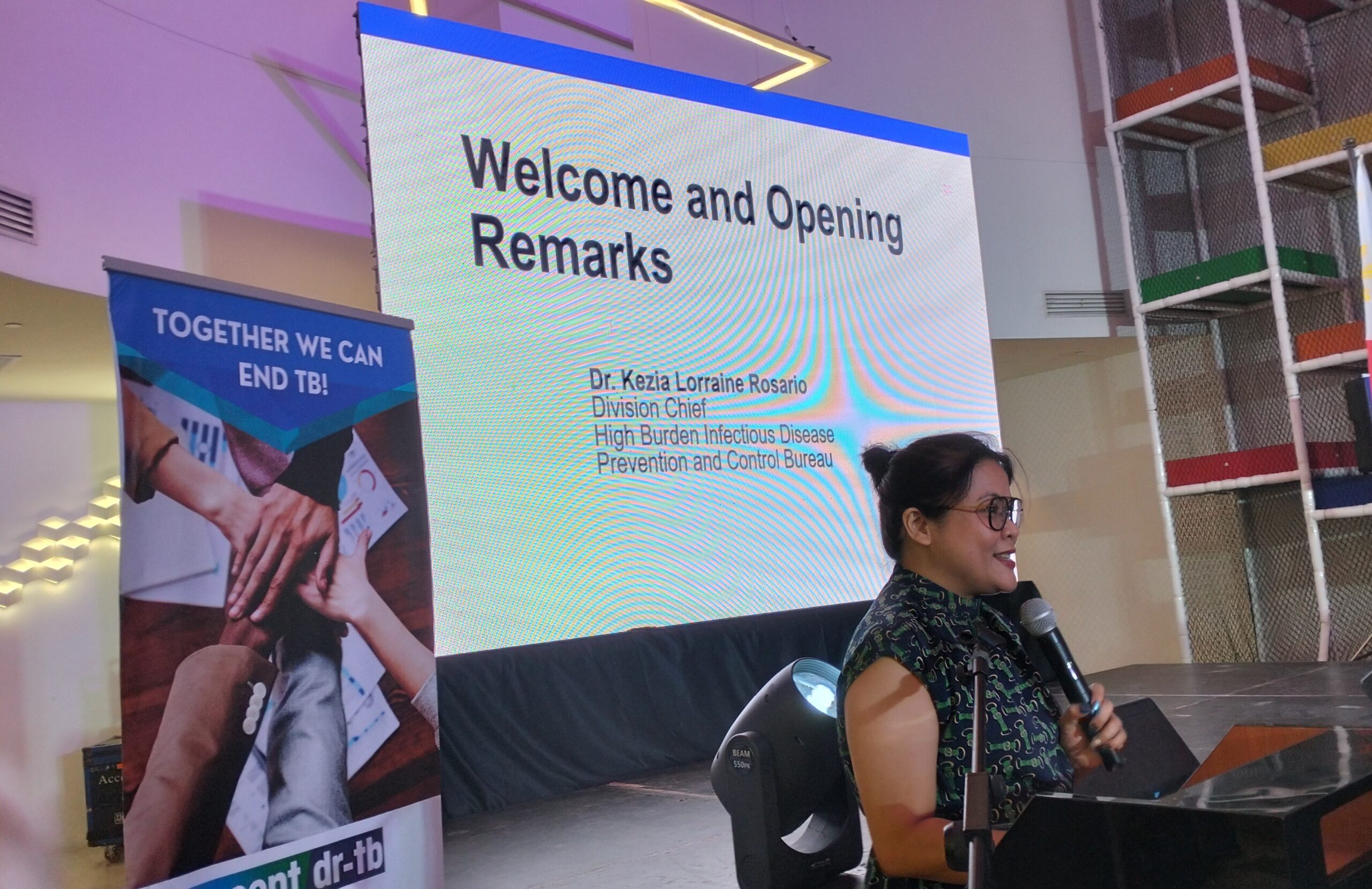
Dr. Kezia Rosario, Division Chief for Infectious Diseases – DPCB, welcomed the participants. Dr. Clarissa Halum from WHO-Philippines, presented the evidence behind DR-TPT’s 60% reduction in TB risk, and the effectiveness of stool-based LC-NAAT in detecting TB comparable to sputum-based testing. The three-day event was facilitated by Ms. Ana Lyn Teodoro, ASCENT Project Coordinator in KNCV Philippines. Dr. Raymond Racela (DPCB) highlighted that only 24% was achieved in TPT vs. the 75% target under PhilSTEP 2, underscoring the need for expanded implementation. Meanwhile Mr. Earl Mantes of NTRL presented laboratory updates and innovations emphasizing the high specificity and programmatic value of stool-based LC-NAAT as an alternative specimen for TB diagnosis in children, particularly those unable to produce sputum.
Dr. Mansa Mbenga, project lead of ASCENT DR-TB gave an overview of the multi-country project while KNCV Consultants from the Philippines presented key implementation results:
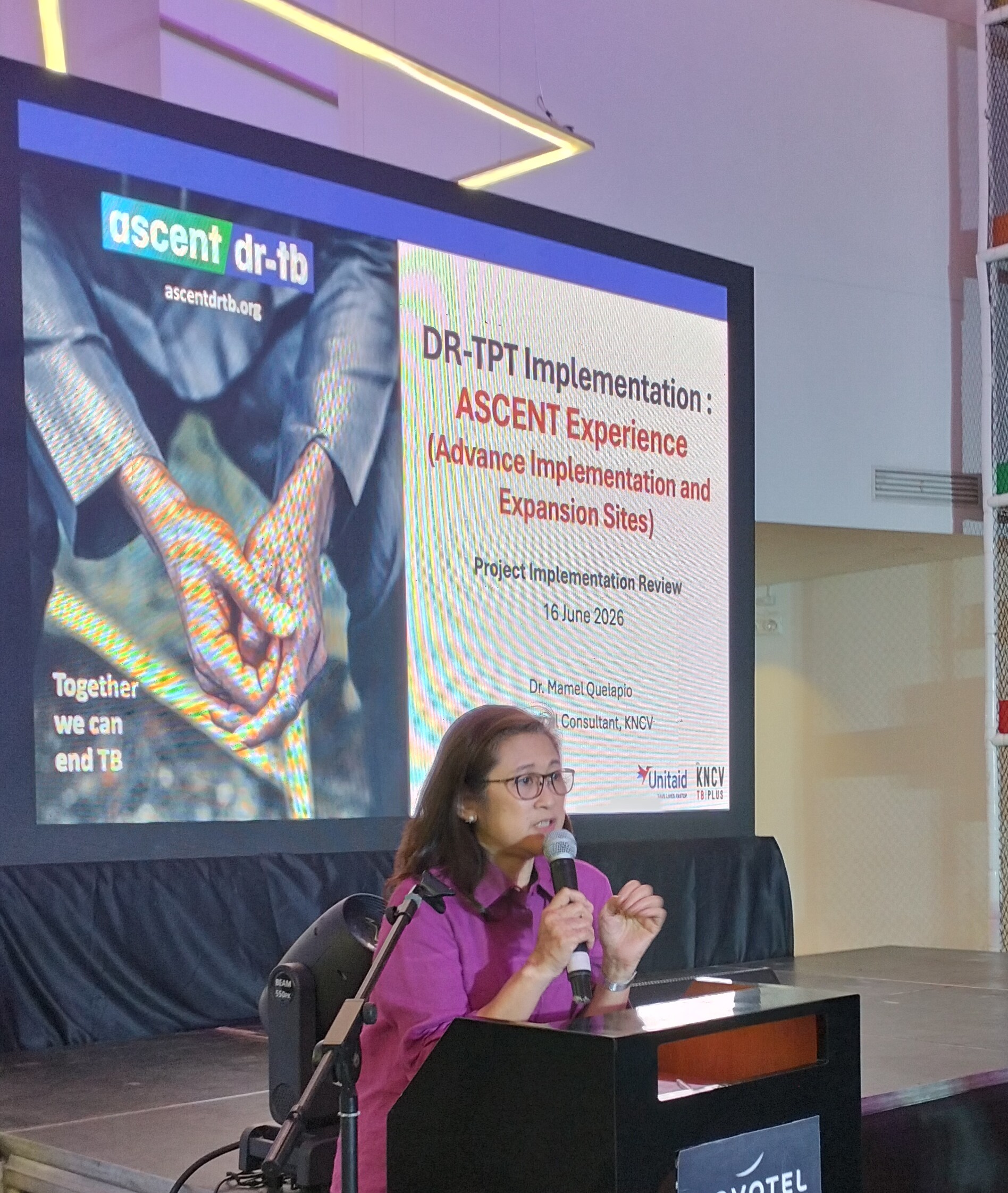
- Dr. Mamel Quelapio shared that among 835 of MDR/RR-TB household contacts, the TPT coverage from June 2025- May 2026 was 80%;
- Dr. Rugaiya Calapis and Dr. Halum addressed frequently asked questions (FAQs) on DR-TPT;
- Ms. Leveriza Coparada presented that among 548 stool LC-NAAT tests conducted from January-May 2026, TB positivity was 5%.
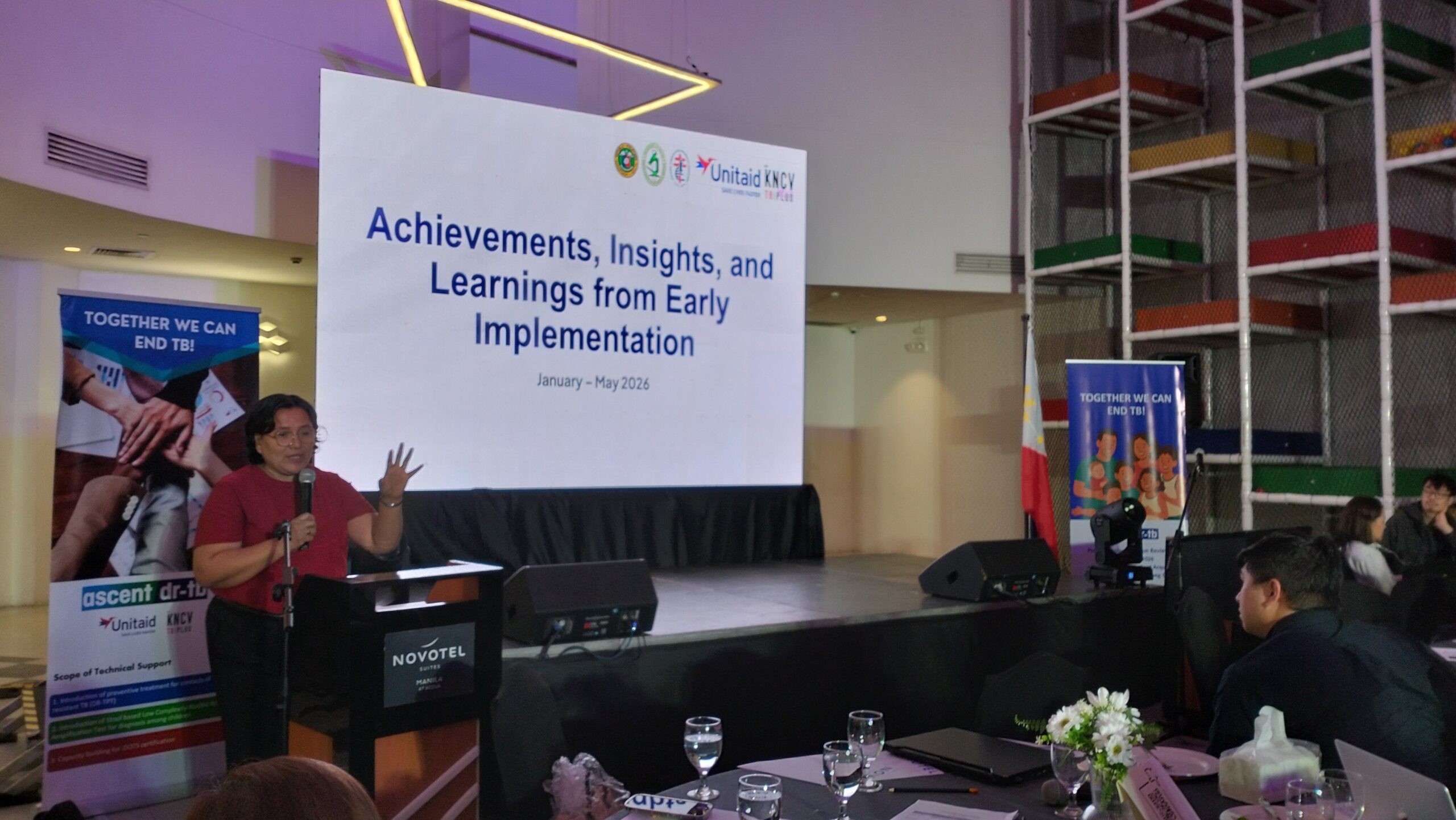
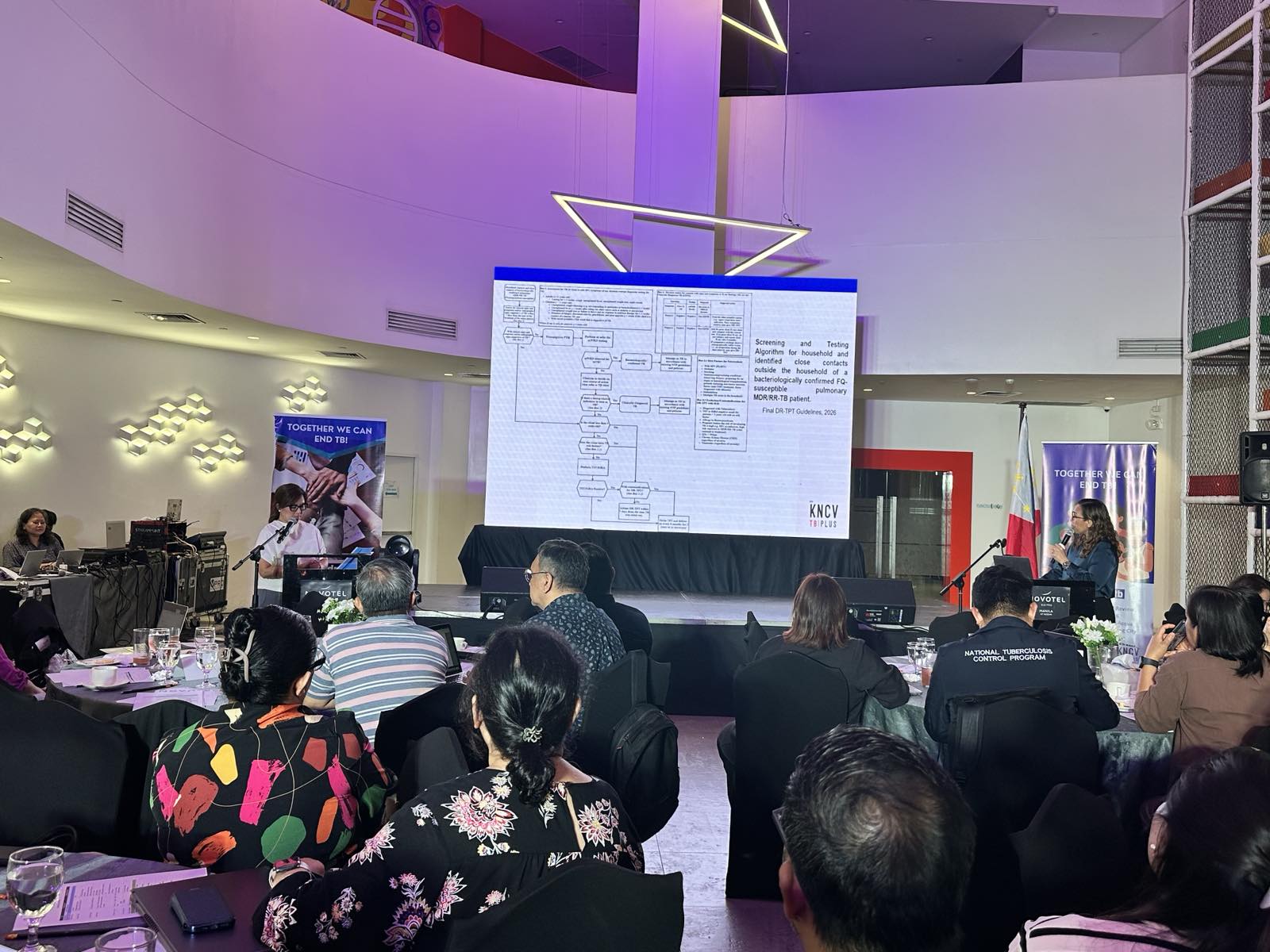


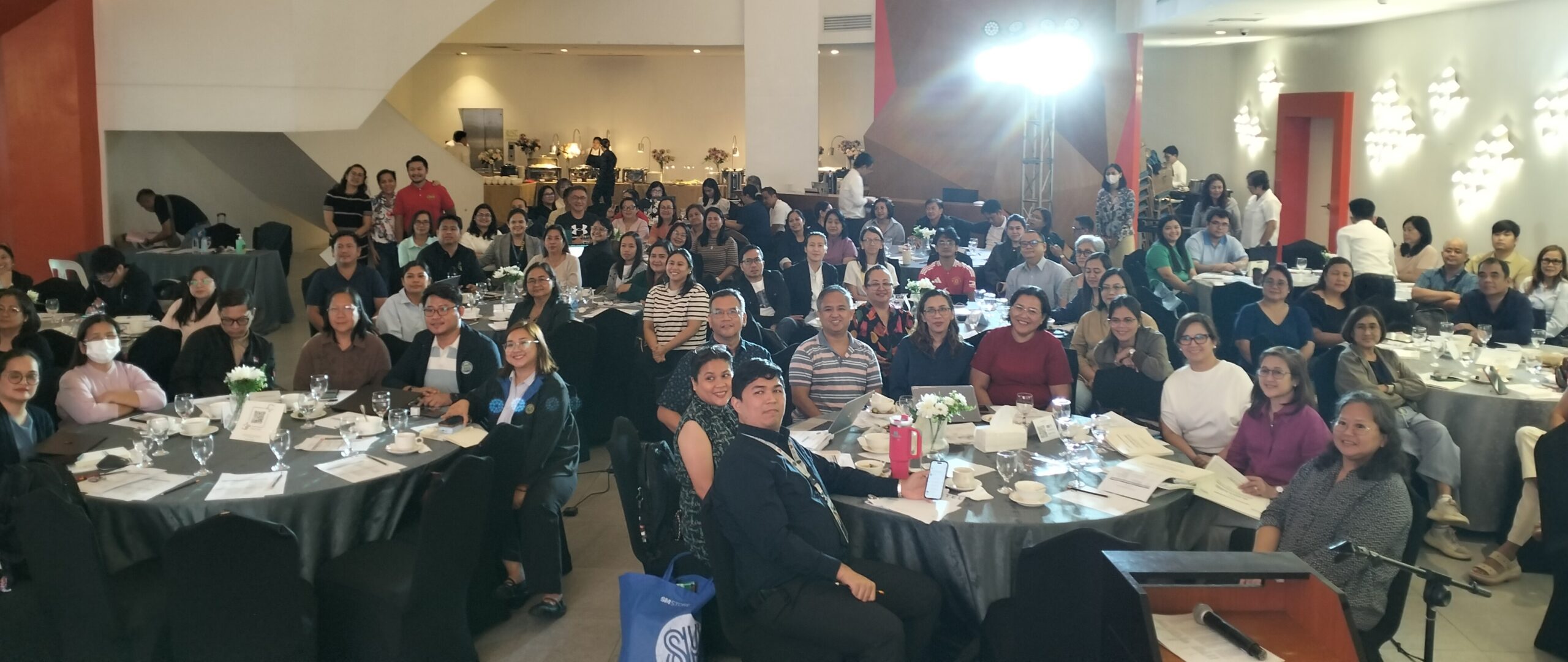
Furthermore, NTRL resource persons presented key milestones and FAQs in the implementation of stool-based LC-NAAT, while implementers from pilot iDOTS facilities and Rapid TB Diagnostic Laboratories also shared their experiences, challenges, and best practices.
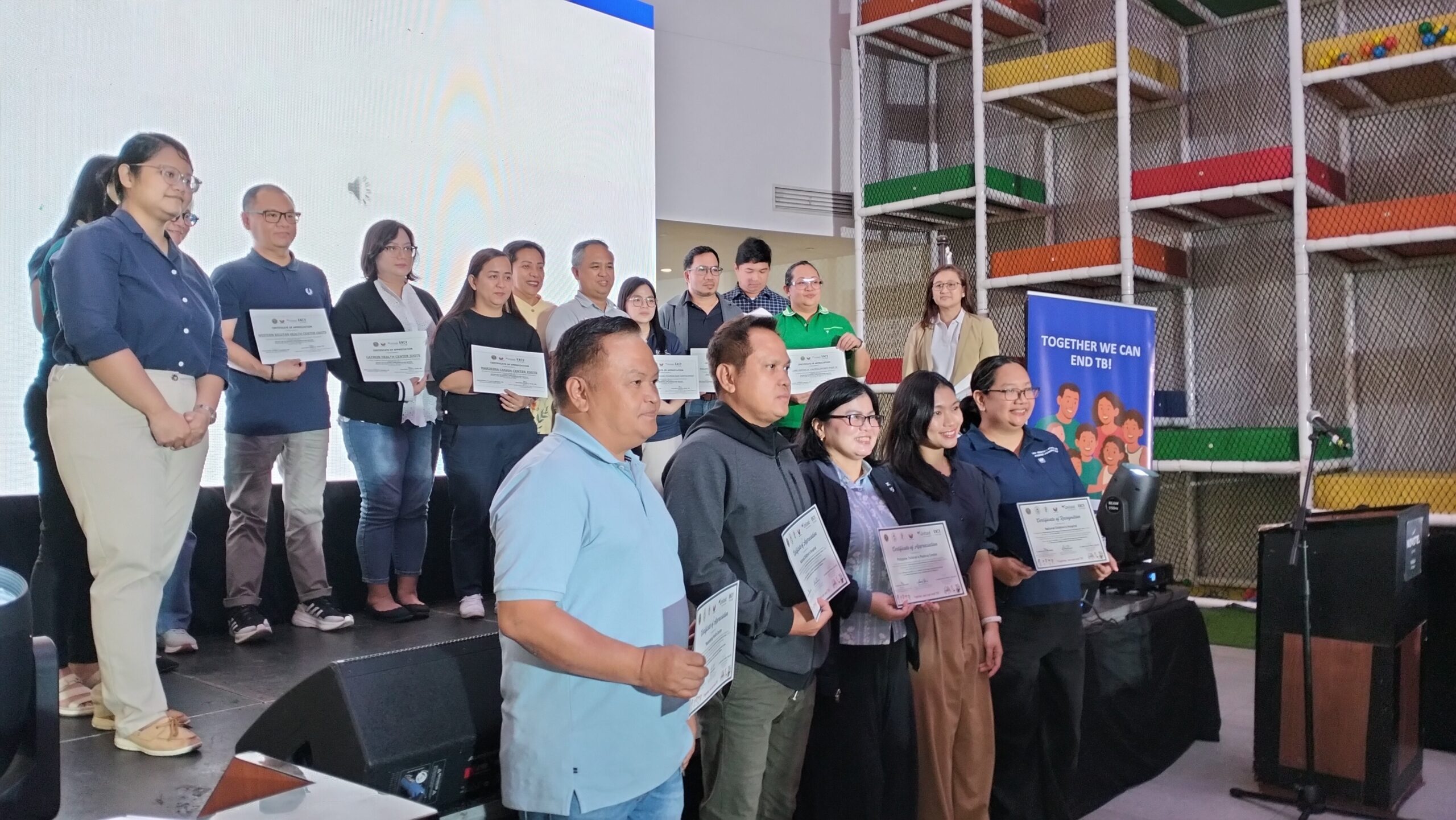
Recognition awards were given to outstanding performers, including the earliest initiators of DR TPT, the facility with the highest CXR coverage among household contacts, and the facility with the highest coverage for TB infection testing prior to DR-TPT, facilities with the highest number stool LC-NAAT tests performed, and the first site to successfully implement stool-based testing.
An orientation on the updated DR-TPT Guidelines was conducted for Centers for Health Development led by DPCB and DR TPT Task Force members. This was followed by regional action planning for the expansion of DR-TPT and Stool-based LC NAAT across the country.
Overall, the sessions provided a platform to review implementation progress, challenges, lessons learned and early outcomes, while generating recommendations for national-scale up. In closing, Dr. Agnes Gebhard from KNCV Tuberculosis Foundation expressed her appreciation to DOH-DPCB, RITM-NTRL, implementing partners, and stakeholders for their accomplishments, dedication, and meaningful collaboration in advancing innovative approaches to TB prevention and diagnosis in the Philippines.